Microplastics research
Microplastics are everywhere— in water, soil, and even in the snow in Antarctica. Thankfully, items like plastic bags, straws, and coffee stirrers have been banned to prevent worsening the problem, but the issue of microplastics remains highly relevant. Mapping microplastics in our environment is a crucial first step. We can assist you with this.
Various analytical techniques
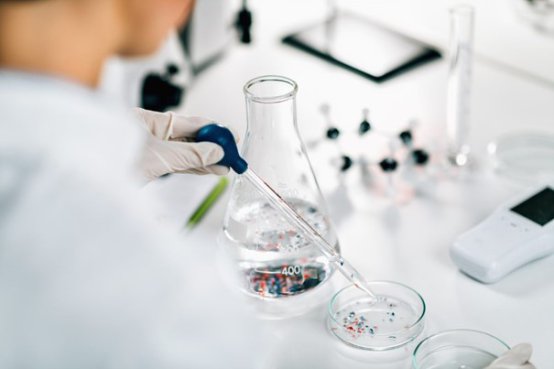
SGS collects samples and analyzes microplastics in water, sediment (sand, silt, and clay), and soil. Using a range of analytical techniques performed in our international laboratories, we can identify nano-, micro-, and macroplastics down to the smallest particles.
International expertise
Currently, techniques and standards for soil and sediment analysis are still under development. However, we have developed international expertise in sampling, pre-treatment, and analysis. We apply this specialized knowledge in large-scale studies on microplastics in countries such as Germany, Sweden, Italy, Singapore, and China.
Three steps
Microplastics research and analysis are conducted in three steps:
1. Sampling: We collect soil, sediment, and/or water samples on-site.
2. Sample Pre-Treatment: The collected samples undergo pre-treatment.
3. Sample Analysis: Our international laboratories utilize key analytical techniques to meet your needs.
Microplastics in European Soil
The statistics are telling. It is estimated that between 31,000 and 42,000 tons of microplastics end up in European soils each year. This is comparable to the concentration of microplastics in surface ocean water, according to British university research. Thus, European agricultural land may potentially be the largest repository of microplastics in the world.
FAQ Microplastics
- What are microplastics?
- What types of plastics are found in the environment?
- What are primary and secondary plastics?
- Where do microplastics come from?
- How do primary microplastics enter the environment?
- Are microplastics harmful to humans and animals?
- Are microplastics harmful to the environment?
- Where are there many microplastics?
- What are macroplastics, microplastics, and nanoplastics?
- Is there a standard for researching microplastics?
- Are there laws or regulations on microplastics or a legal framework for microplastics in the environment?
- What microplastics analyses can SGS perform?
- How do we solve the microplastic problem?
What are microplastics?
Microplastics are small and very small plastic particles present in the environment. They are categorized into two types:
1. Primary microplastics: Tiny plastic particles that enter the environment directly (e.g., added to certain personal care products).
2. Secondary microplastics: Particles resulting from the breakdown of larger plastic items, such as bottles, bags, and fishing nets.
What types of plastics are found in the environment?
Plastics in the environment consist of various substances (synthetic polymers and chemical additives) produced from petroleum or biological sources, and they are poorly degradable. Commonly produced and used plastics include polyethylene (PE), polypropylene (PP), polyvinyl chloride (PVC), polyurethane (PU), polyethylene terephthalate (PET), and polystyrene (PS). Synthetic rubber (including SBR rubber granulate) also falls under this definition. Additionally, there are various biologically-derived plastics (some of which are biodegradable), such as polylactic acid (PLA), polyhydroxyalkanoates (PHA), and polyethylene furanoate (PEF).
What are primary and secondary plastics?
Primary plastics are polymers manufactured in their final form and size. Secondary plastics result from the fragmentation of larger plastics due to exposure to UV light and/or temperature.
Where do microplastics come from?
• Primary microplastics: These enter the environment directly as small particles. They originate from sources like synthetic clothing, tires, or as tiny beads in cosmetics and personal care products (e.g., scrubs). Primary microplastics are estimated to account for 15-31% of the microplastics in oceans.
• Secondary microplastics: These are derived from the degradation of larger plastic items, such as plastic bags, bottles, or fishing nets. They account for 69-85% of the microplastics in oceans.
How do primary microplastics enter the environment?
The major source of primary microplastics (30%) is the washing of synthetic clothing, which releases tiny particles. Wear and tear from tires is the second largest source (28%). Microplastics are also intentionally added to cosmetics, such as microbeads in facial scrubs, making up 2% of the microplastics in the environment.
Are microplastics harmful to humans and animals?
Microplastics are widespread and can enter our bodies through various routes (e.g., air, food, and water). The exact extent of exposure and the effects of microplastics in our bodies are still largely unknown. However, it is certain that plastic particles do not degrade easily and there are indications they can be harmful in various ways. It is not yet clear how the immune system responds to these foreign particles. Harmful chemicals and potentially pathogenic microorganisms that adhere to the particles may also enter the body. The accumulation of microplastics in the oceans, known as the "plastic soup," poses severe risks to marine life, causing injuries or death to a million sea birds, 100,000 marine mammals, sea turtles, and countless fish annually.
Are microplastics harmful to the environment?
Microplastics form when larger pieces of plastic break down in the environment or the sea into smaller fragments. Synthetic clothing like nylon, polyester, and acrylic also contain microplastics that are released into sewage systems during washing and eventually end up in the sea. Once in the ocean, these particles break down very slowly or not at all, accumulating in large "plastic islands" and washing up on shores. The plastic in the seas does not biodegrade but breaks into smaller, increasingly toxic particles, transforming oceans into a "plastic soup," which is dangerous for all marine life.
Where are there many microplastics?
The largest sources of microplastics are bottled water, fish, and shellfish. Bottled water contains up to 94 microplastic particles per liter, compared to 4 particles per liter in tap water. Children are estimated to ingest between 74,000 and 81,000 plastic particles annually.
What are macroplastics, microplastics, and nanoplastics?
The definition of microplastics is outlined in ISO 21487:
- Macroplastics: Plastic pieces larger than 5 mm.
- Large Microplastics: Plastic pieces smaller than 5 mm but larger than 1 mm.
- Microplastics: Plastic pieces smaller than 1 mm but larger than 1 μm.
- Nanoplastics: Plastic pieces smaller than 1 μm.
Is there a standard for researching microplastics?
There is currently no globally standardized norm for the sampling and analysis of microplastics; such standards are still under development. In addition, standardized terminology is lacking, as this is an emerging field.
However, ISO has published several standards that contribute to this standardization:
- ISO 5667-27: for the sampling of water (freshwater, seawater, drinking water, and wastewater).
- ISO 16094: for the analysis of microplastic particles in water.
- ISO 24187: defines microplastics based on particle size and provides guidelines for the sampling, testing, and analysis of microplastics.
Are there laws or regulations on microplastics or a legal framework for microplastics in the environment?
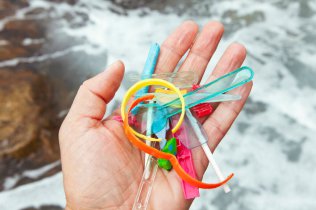
The Soil Quality Decree regulates that soil and dredged material used under the Soil Quality Decree should only sporadically contain non-soil materials other than stone or wood. This means no other types of foreign materials, such as plastics and foam, should be present (Bodemplus, 2018). Therefore, a specific standard for microplastics does not yet exist as the term "sporadic" is not clearly defined.
Besides the Soil Quality Decree, which primarily addresses visible (macro)plastics, there is increasing awareness that micro- and nanoplastics are also widespread in the environment. These parameters can be considered a form of pollution and may fall under non-standardized substances not naturally occurring, as outlined in Appendix 6 of the Soil Remediation Circular. Conversely, plastic may also be seen as an undesirable contaminant of materials. Article 10.2 of the Environmental Protection Act states that waste cannot be placed on or in the soil. Thus, plastics are also subject to the care obligations under the Soil Protection Act and/or the Environmental Protection Act (Source: NEN white paper, Plastics in the Environment).
What microplastics analyses can SGS perform?
Microplastics analysis can be broadly divided into two types: mass-based and particle-based. Mass-based analyses report the quantity of microplastics as bulk in a sample or extract, for example, milligrams of plastic per liter. Particle-based analyses report the number of plastic particles as individual units in a sample or extract, for example, number of particles per liter. These two approaches are often complementary and can sometimes be combined.
• Mass-based Analyses: Includes gravimetry and thermoanalytic (or destructive) methods. Gravimetry involves directly weighing the amount of plastics, while destructive methods involve destroying the plastics and determining the loss of mass. Destructive methods often provide more information about the type of plastic and are more accurate. A commonly used technique is Py-GC-MS (Pyrolysis-Gas Chromatography-Mass Spectrometry).
• Particle-based Analyses: Includes visual determination and spectroscopy. Many modern techniques combine both approaches. Visual determination involves examining particles, often under magnification, and counting them (e.g., using SEM). Spectroscopy involves irradiating particles with electromagnetic waves to determine their presence and properties, such as type of plastic, shape, or chemical composition (e.g., using micro-Raman Spectroscopy, micro-FTIR).
How do we solve the microplastic problem?
The eight solutions needed to address 80% of our plastic problem are:
1. Reduction of plastic production.
2. Increased use of plastic alternatives (e.g., compostable materials).
3. Use of recyclable plastics.
4. Improved waste collection systems worldwide.
5. Increased capacity for mechanical recycling of plastic globally.
6. New methods for recycling plastic that cannot be mechanically recycled.
7. Safe storage for non-recyclable plastic waste.
8. Reduced export of plastic waste; each country must take its own responsibility.
(Source: Eight Solutions to the Plastic Soup - Plastic Soup Foundation)